
Identify a fish using several features and compare it with similar species. Read habitat and feeding information in regional context, then confirm local presence and current requirements. A description is not proof that a species occurs at your water.
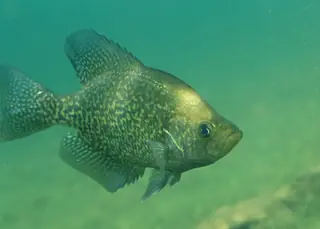 Foundation · Freshwater · All methods
Black crappie: identify the pattern and find the depth
Look for irregular dark markings and check the dorsal spines. Begin with a small presentation and change depth deliberately.
United States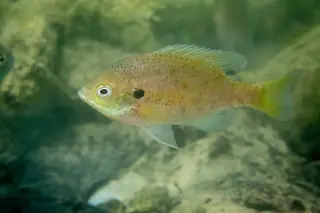 Foundation · Freshwater · All methods
Bluegill: recognise it and build a first approach
Learn the small mouth, dark ear flap and dorsal blotch, then start with a modest bait beneath a small float.
United States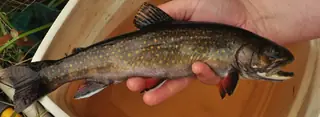 Foundation · Freshwater · All methods
Brook trout identification in streams and ponds
Check the markings on the back and the white front edges of the lower fins. Compare a brook trout with a spotted brown trout or a possible splake.
United States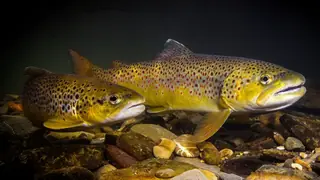 Foundation · Freshwater · All methods
Brown trout identification and the brook trout comparison
Compare the spots, back and lower fins with brook and rainbow trout. Learn what to look for when a fish is silver or the light is poor.
United States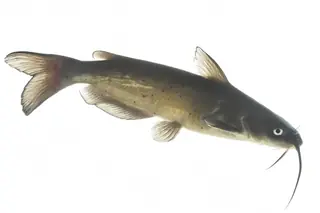 Foundation · Freshwater · All methods
Channel catfish: plan a simple bottom-fishing session
Recognise the forked tail and rounded anal-fin outline, then present legal bait with only the weight needed.
United States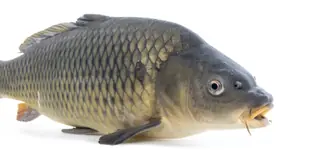 Intermediate · Freshwater · Coarse / bait
Common carp: identification, feeding areas and a measured approach
Distinguish common carp from similar fish and connect legal bait, sound presentation and prepared handling.
General principles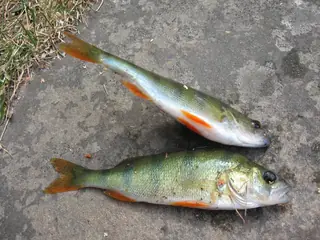 Foundation · Freshwater · All methods
European perch: a UK beginner species guide
Dark bars, coloured fins and a spiny dorsal help identify European perch. Start with controlled float fishing and prepare the unhooking tools.
United Kingdom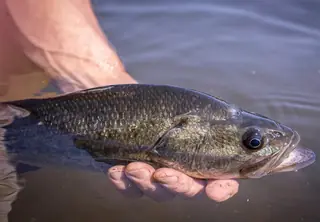 Foundation · Freshwater · All methods
Largemouth bass: identify the fish and work the cover edge
Start with accessible cover and a manageable lure. Learn why current naming differs from older largemouth-bass references.
United States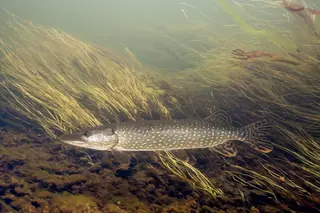 Intermediate · Freshwater · Lure fishing
Northern pike: identification, cover and controlled lure fishing
Recognise pike, choose fishable cover and prepare bite protection and handling tools before lure fishing.
United States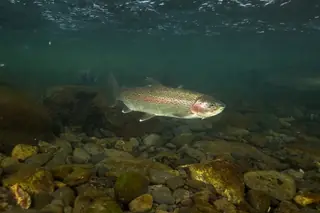 Foundation · Freshwater · All methods
Rainbow trout: begin with the water, then the tackle
Identify a rainbow carefully and check the exact fishery rules before choosing bait or lures.
United States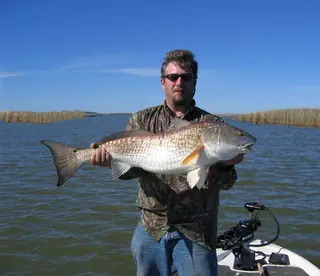 Intermediate · Saltwater · Shore fishing
Red drum: identification, feeding habitat and presentation choices
Identify red drum, choose a workable inshore presentation and keep habitat, tide access and tackle control together.
United States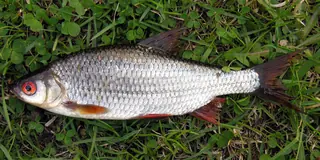 Foundation · Freshwater · All methods
Roach: a UK beginner species guide
Look beyond the silver body and red fins. Small bait, correct depth and careful identification make a useful starting point.
United Kingdom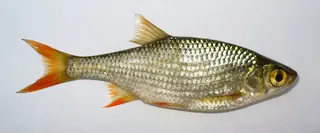 Foundation · Freshwater · All methods
Rudd identification and the difference between rudd and roach
Use the mouth angle and fin positions to separate rudd from roach. Look along vegetated canal margins for signs of surface feeding.
United Kingdom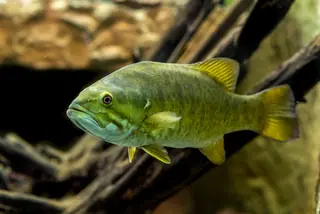 Intermediate · Freshwater · Lure fishing
Smallmouth bass: recognise the fish and fish the feature
Compare smallmouth with similar bass, then connect rocky habitat and current to a controlled lure approach.
United States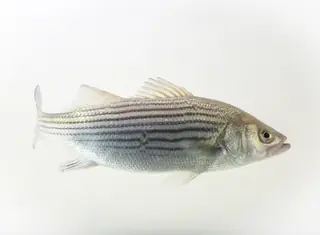 Intermediate · Any water · Lure fishing
Striped bass: identify the population and plan the presentation
Distinguish striped bass and hybrids, separate inland from coastal fisheries and plan controlled presentations and release.
United States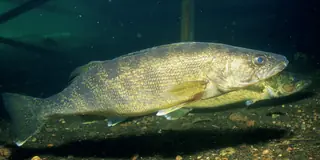 Intermediate · Freshwater · Lure fishing
Walleye: identify the fish and control the presentation
Distinguish walleye from lookalikes and use repeatable depth and location tests across several established methods.
United States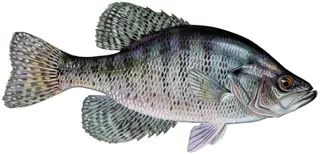 Foundation · Freshwater · All methods
White crappie identification and how to tell it from black crappie
Compare flank bars and dorsal spines with black crappie, then use submerged cover to choose a depth to investigate.
United States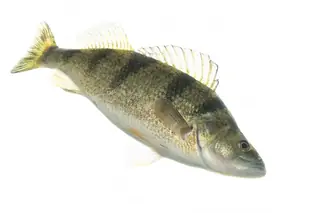 Foundation · Freshwater · All methods
Yellow perch: recognise the bars and search for a shoal
US yellow perch are different from European perch. Learn the identifying features and use a modest bait near the feeding layer.
United StatesNo matching guide. Reset a filter or try a broader term.
Species image sources and licences
- Black crappie · Engbretson, Eric · Public Domain
- Bluegill · Ryan Hagerty/USFWS · Public Domain
- Brook trout · Jaime Masterson/USFWS · Public Domain
- Brown trout · U.S. Fish and Wildlife Service collection · Public Domain
- Channel catfish · Sam Stukel/USFWS · Public Domain
- Common carp · Sam Stukel /USFWS · Public Domain
- European perch · Max33 at Finnish Wikipedia · CC BY-SA 3.0 · resized and converted to WebP
- Adult largemouth bass · Sam Stukel/USFWS · Public Domain
- Northern pike · Ryan Hagerty/USFWS · Public Domain
- Rainbow trout · Hagerty, Ryan/USFWS · Public Domain
- Red drum · USFWS · Public Domain
- Roach · Algirdas, cropped by George Chernilevsky · CC BY-SA 3.0 · resized and converted to WebP
- Rudd · George Chernilevsky · Public Domain
- Smallmouth bass · Brett Billings/USFWS · Public Domain
- Striped bass · Ryan Hagerty/USFWS · Public Domain
- Walleye · Eric Engbretson/USFWS · Public Domain
- White crappie · Duane Raver, U.S. Fish and Wildlife Service · Public Domain
- Yellow perch · Sam Stukel/USFWS · Public Domain


